
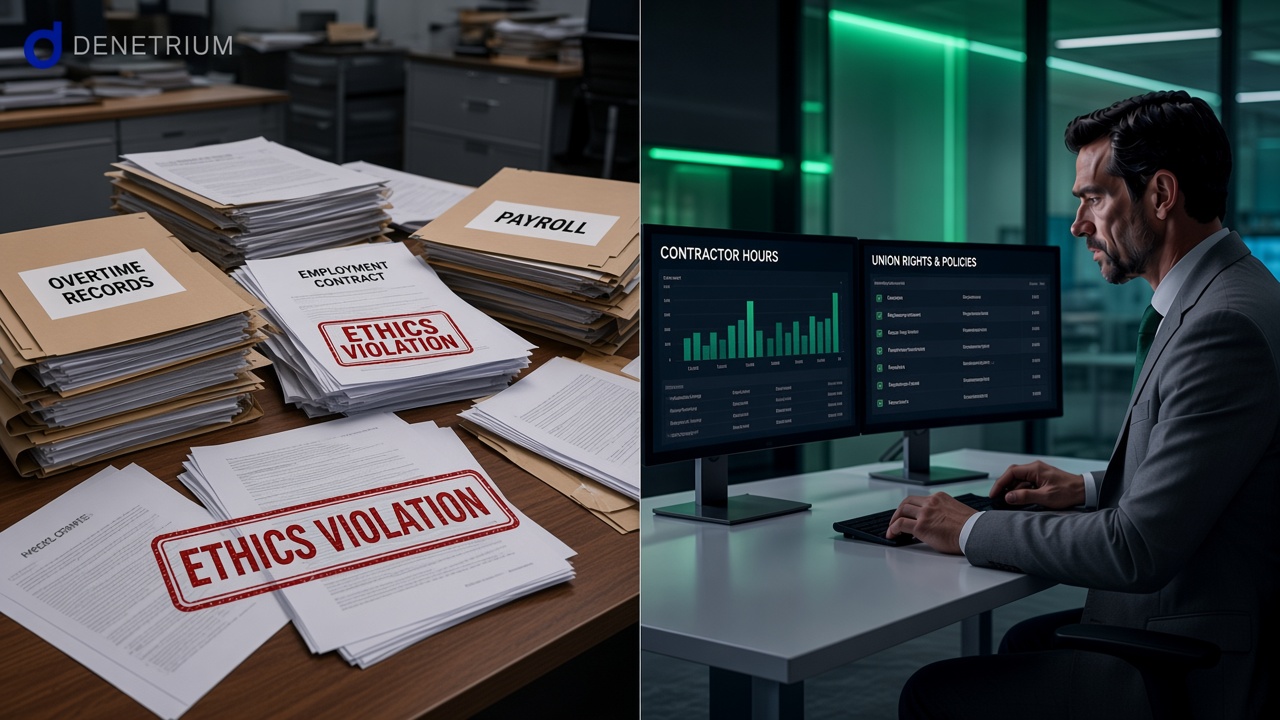
In modern global commerce, enterprise valuation is no longer measured solely by operating margin expansion or EBITDA figures; it is defined by workforce governance, human rights stewardship, and broader societal impact. Under landmark international frameworks such as the EU Corporate Sustainability Due Diligence Directive (CSDDD) and the German Supply Chain Due Diligence Act (LkSG), enterprises harboring forced labor, undocumented overtime, child labor, or hazardous working conditions in their supply tiers face immediate market exclusion and catastrophic brand boycotts. The international bedrock guiding ethical operations is the ISO 26000 Guidance on Social Responsibility.
Serving as the conceptual foundation for leading social audit methodologies such as Sedex (SMETA), amfori BSCI, and SA 8000, ISO 26000 codifies organizational governance, human rights, labor practices, fair operating procedures, and community involvement across 7 core subjects.
Yet inside many manufacturing tiers and subcontracted facilities, social compliance survives purely as administrative theater:
Overtime and Payroll Timecards are obscured via double-bookkeeping methods, concealing grueling 70-hour workweeks until independent social auditors discover the discrepancy,
Subcontracted processing facilities and raw material vendors operate without on-site child labor screenings or anti-coercion audits,
Internal Grievance Mechanisms and Whistleblower Channels exist merely as locked physical boxes on facility walls, gathering dust without structured resolution tracking,
When an unannounced external audit application team from a global retailer arrives, human resources managers spend days frantically compiling paper payroll sign-offs and statutory contracts.
Corporate reputation and workplace dignity cannot rely on honor-system assertions. Enforcing social compliance across complex supply chains requires a dedicated digital audit software platform that automates on-site inspections, verifies fair labor conditions, and enforces immediate closed-loop CAPA remediation.
Here is how Denetrium’s enterprise audit tracking program, online audit, and mobile audit application modernize ISO 26000 governance across 5 core pillars:
1. Dynamic Checklists Aligned with ISO 26000, SEDEX, and amfori BSCI
Social responsibility mandates systematic oversight across labor rights, ethical trading, and occupational welfare.
The Denetrium Approach: Build dynamic inspection programs across Human Resources Policies, Dormitory Living Standards, Canteen Sanitation, and Subcontractor Sites.
Map ground verification points directly to ISO 26000 core subjects and International Labour Organization (ILO) conventions, transforming site walkthroughs into verifiable ESG compliance dossiers.
2. Mobile Social Audits Across Extended Vendor and Subcontractor Networks
The vast majority of brand-damaging labor scandals occur not at headquarters, but deep within Tier-2 and Tier-3 subcontracted workshops.
The Denetrium Approach: Social auditors evaluate supplier factories on site using the native mobile audit app, inspecting fire exit accessibility, personal protective equipment usage, and clean drinking water stations.
Mandatory GPS geofencing and live photo captures verify that the auditor physically entered the subcontracted workshop, eradicating fabricated desk audits.
3. Encrypted Worker Interview Documentation and Grievance Verification
The hallmark of a credible social audit is gathering unvarnished feedback from frontline workers without supervisor intimidation.
The Denetrium Approach: Field auditors document off-line, confidential worker interview summaries and verify grievance box opening logs directly inside the encrypted mobile platform.
The integrity of whistleblowing channels and non-retaliation policies is substantiated through time-stamped visual proof.
4. Root-Cause CAPA Tracking for Labor and Ethical Non-Conformities
Discovering excessive overtime or delayed wage payments cannot be resolved through superficial administrative promises.
The Denetrium Approach: Every observed social non-conformity immediately instantiates an assigned, deadline-tracked Corrective and Preventive Action (CAPA) ticket.
Factory leadership must conduct guided 5-Why root-cause analyses (e.g., procurement bottleneck forcing compressed production schedules), implement verified shift rebalancing, and upload corrected payroll records before the Lead Auditor clears the ticket.
5. 365-Day Readiness for Tier-1 Brands and Statutory Regulators
Eliminate administrative panic during unannounced social audits by international retail brands or national labor inspectorates.
The Denetrium Approach: Historical wage parity audits, third-party labor contracts, worker committee election minutes, and safety drill archives sit encrypted in the cloud.
Generate comprehensive ISO 26000 and SMETA-aligned audit packages with one click, proving your organizational commitment to ethical operations during internal audit and external assessments.
Do not leave your international export licenses and corporate reputation to unmonitored subcontractors and paper sign-offs. Deploy Denetrium’s audit software, online audit engine, and audit tracking program to enforce an ethical, transparent, and audit-ready workplace culture across your entire value chain.