
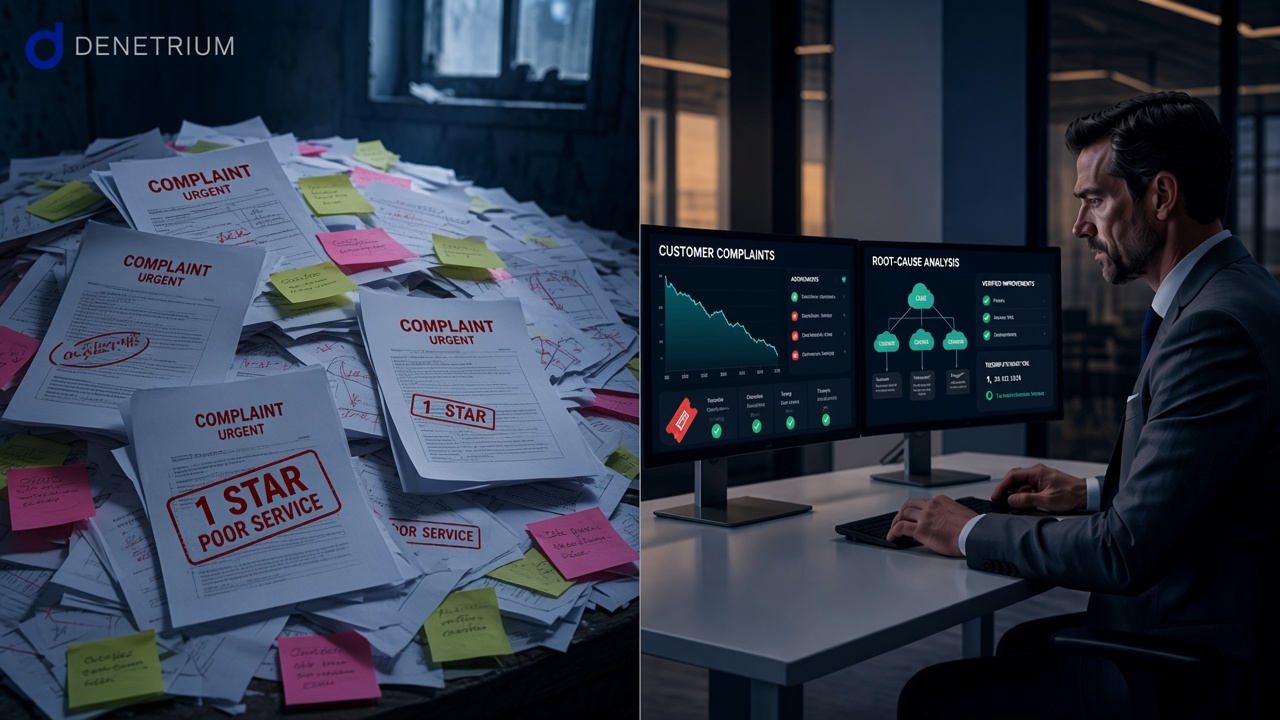
In modern multi-unit commerce, brand equity is rarely forged through glossy marketing campaigns alone; it is defined by how an enterprise responds when operational failures strike. With real-time reviews on Google Maps, Trustpilot, and social media driving consumer sentiment, an unresolved complaint can trigger immediate viral brand damage and customer churn. The international framework engineered to transform customer dissatisfaction into continuous operational refinement is the ISO 10002 Customer Satisfaction and Complaints Handling Management System.
The foundational doctrine of ISO 10002 demands that customer feedback be handled with transparency, accessibility, strict resolution velocities, and—crucially—systematic root-cause eradication to ensure the failure never recurs.
Yet inside many multi-location enterprises, complaint governance remains disconnected from frontline operations:
Customer grievances lodged at branch counters or call centers sit buried across fragmented spreadsheets and disparate ticketing silos,
Customers receive automated apologies while service-level resolution agreements (SLAs) expire without meaningful investigation,
Financial refunds or vouchers are issued as temporary remedies, but the defective manufacturing run, delayed freight carrier, or untrained retail team escapes operational audit,
When independent external audit application assessors or consumer regulatory bodies arrive, quality managers spend weeks manually compiling retrospective resolution dossiers.
Managing customer complaints cannot remain an isolated contact-center function; it is a systemic enterprise quality priority spanning every store, kitchen, and warehouse. Neutralizing complaints requires an agile digital audit software ecosystem that inspects frontline customer touchpoints, correlates complaints with site audits, and enforces closed-loop CAPA remediation.
Here is how Denetrium’s enterprise audit tracking program, online audit, and mobile audit application modernize ISO 10002 governance across 5 core pillars:
1. ISO 10002 Dynamic Checklists Mapped to the Feedback Lifecycle
ISO 10002 governs the entire dispute journey across 9 core guiding principles, including accessibility, objectivity, and confidentiality.
The Denetrium Approach: Build dynamic inspection programs across Customer Service Hubs, Retail POS Desks, Return Centers, and Field Service Teams.
Map ground verification points directly to ISO 10002 clauses (Clause 7 Complaints Handling, Clause 8 Maintenance and Improvement), converting operational reviews into verifiable compliance dossiers.
2. Frontline Mobile Audits of Physical Customer Touchpoints
The majority of consumer complaints—disorderly merchandising, slow checkout velocities, poor sanitary conditions—originate directly at physical sites.
The Denetrium Approach: District managers and mystery auditors evaluate facility compliance on site using the native audit application.
Mandatory GPS geofencing, cryptographic timestamps, and live camera captures eliminate fabricated desk audits, certifying that store standards, customer greeting protocols, and returns desks are inspected objectively.
3. Closed-Loop Integration: Customer Complaints Driving Field Audits
Customer complaints should inform operational oversight in real time.
The Denetrium Approach: Through Denetrium’s unified workflow, recurring customer feedback regarding a specific location (e.g., "Frequent pricing discrepancies at the North Hub") automatically injects targeted high-priority check items into the regional auditor’s upcoming schedule. The auditor cannot close the visit without verifying the specific issue.
4. Root-Cause CAPA Tracking to Eliminate Recurring Defects
Refunding a customer resolves an immediate dispute; uncovering why an uncalibrated scale or damaged cold chain caused the defect prevents the next thousand disputes.
The Denetrium Approach: Chronic complaints automatically instantiate an assigned, deadline-tracked Corrective and Preventive Action (CAPA) ticket routed to the operational lead.
Teams must execute guided 5-Why root-cause investigations and upload verified evidence of process redesign or workforce retraining before the Customer Experience Director grants digital sign-off.
5. 365-Day Readiness for External Certification and Consumer Authorities
Eliminate the administrative burden of locating historical dispute workpapers during statutory trade reviews or independent ISO 10002 surveillance audits.
The Denetrium Approach: All resolution logs, SLA compliance ratios, post-resolution customer satisfaction scores, and CAPA remediation dossiers sit encrypted in the cloud.
Generate official ISO 10002 audit packages and unalterable audit trails with one click, proving your organizational commitment to consumer satisfaction during internal audit and external assessments.
Do not leave your customer retention and brand equity to unmonitored ticket logs and paper notes. Deploy Denetrium’s audit software, online audit engine, and audit tracking program to turn customer grievances into measurable, lasting operational excellence.